
Packaging does more than protect the product. It maintains sterility - and that takes different engineering
Physically protecting a product and maintaining a sterile barrier throughout its shelf life are distinct objectives requiring distinct validations. Sterility only reaches the patient if the packaging preserves it.
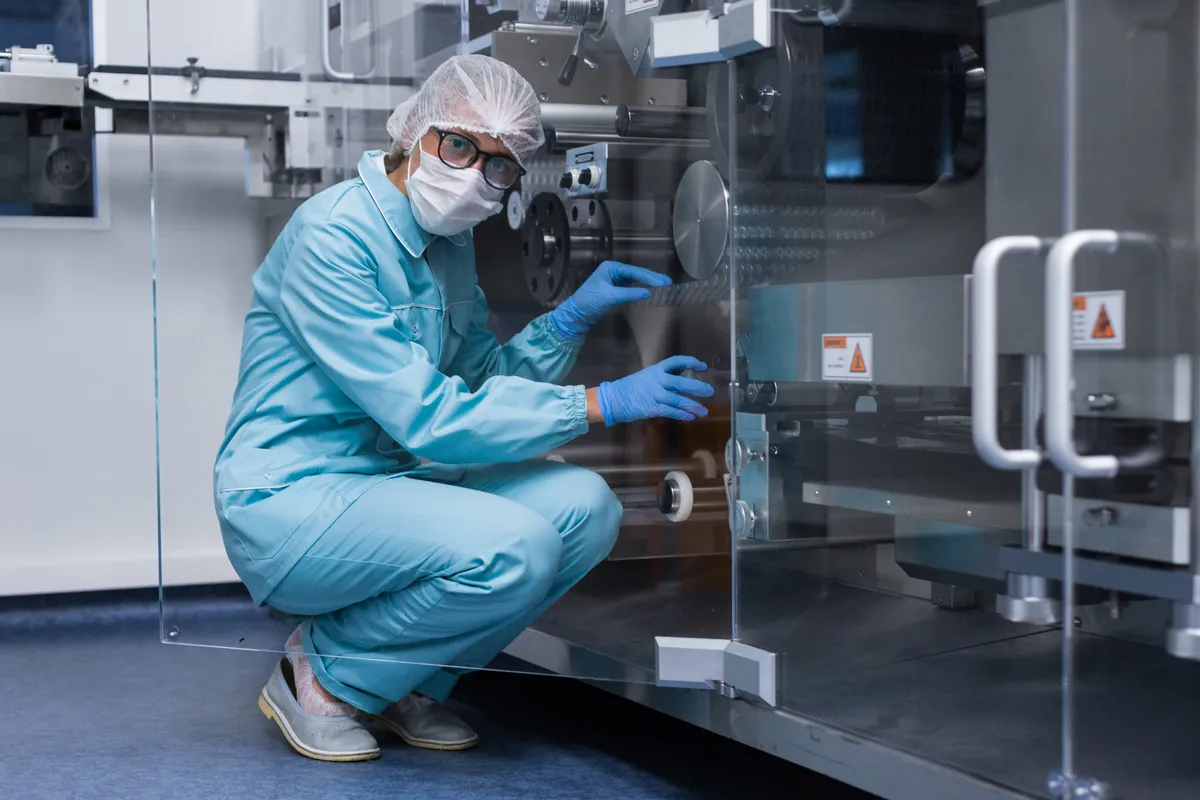
There is a distinction that many factories discover too late: physically protecting a product during transport and maintaining a sterile barrier throughout its shelf life are different objectives, with different requirements and different validations. The box that survives a drop may also be the one that loses its barrier after six months on the shelf. The sterility validated in the cycle only reaches the patient if the packaging preserves it until use.
The cleanroom and sterile barrier system are two sides of the same control: one defines where the product is assembled and packaged; the other defines what keeps it sterile afterwards. Both are special processes. Both deliver value only when validated together with sterilisation.
The controlled environment is part of the product, rather than the building
Sterile devices are assembled and filled in classified environments precisely because the surrounding air, surfaces and people determine the microbial load that the product carries into sterilisation - the bioburden we have already discussed. An uncontrolled cleanroom pushes the problem into the sterilisation cycle and the barrier. The environment is not scenery: it is a process variable.
ISO 11607: the standard governing the sterile barrier
The sterile barrier system (SBS) has its own reference: ISO 11607, in two parts. Part 1 addresses requirements for materials, barrier systems and packaging systems. Part 2 addresses validation of the forming, sealing and assembly processes. In other words, suitable material is not enough - the sealing process must be validated to produce intact, reproducible seals. Sealing is a classic special process: you cannot open every pouch to check it without destroying it.
Three tests that support the barrier during an audit
Sterile barrier integrity is demonstrated through measures including seal integrity (seal strength and continuity), bubble/leak testing to detect channels and defects, and peel strength to ensure aseptic opening without contaminating the contents. Without a validated method, integrity data will not stand up when the auditor asks, "How do you know?"
Shelf life and stability: the barrier must last for the stated period
An intact barrier at the end of the production line proves nothing about the product at the end of its shelf life. Validation includes stability studies - real-time and accelerated ageing - to demonstrate that the barrier and sterility are maintained throughout the stated shelf life. Performance tests after transport and distribution conditions are also needed, because the barrier must survive the real world, rather than only the cleanroom.
The chain is only as strong as its integration
The cleanroom controls bioburden. Sterilisation achieves the SAL. The sterile barrier preserves the result until use. If any link is validated in isolation, the chain has an invisible weak seam - until the day it becomes visible. Regulators read this chain as a single system, and that is how it must be designed and defended.
The most common strategic mistake
Choosing packaging material and sealing parameters before - or separately from - defining the sterilisation method. The cycle's gas, heat, radiation or pressure stresses the packaging; a material validated for one method may fail under another. When packaging and sterilisation decisions are made separately, the cost emerges during validation - or, worse, during stability studies months later, when the product is already on the market.
A sterile barrier is not maintained by an attractive material specification. It is maintained by integrating the environment, sealing process, sterilisation method and stability evidence.
In your operation, is sterile packaging decided alongside sterilisation - or afterwards?
At HSC Global, we help medical device manufacturers validate controlled environments and sterile barrier systems in an approach integrated with sterilisation - under ISO 11607, ISO 14644, QMSR, MDR 745/2017 and RDC 751/2022.
Explore the Special Process Validation for Medical Devices course or speak to our team.
Let us discuss your sterile barrier.
#MedicalDevices #ISO11607 #SterileBarrier #Cleanroom #Cleanroom #Packaging #ProcessValidation #RegulatoryAffairs #QualityManagement #MedicalDevices #ANVISA #MDR #HSCGlobal
More quality to explore
Each article connects regulatory changes to what they mean for your day-to-day work.
 Quality
A special process is not audit jargon - it is the factory's most misunderstood risk category
If your process output cannot be verified by inspecting the finished product, you are dealing with a special process - where failure does not show up in the component, but in the patient.
 Quality
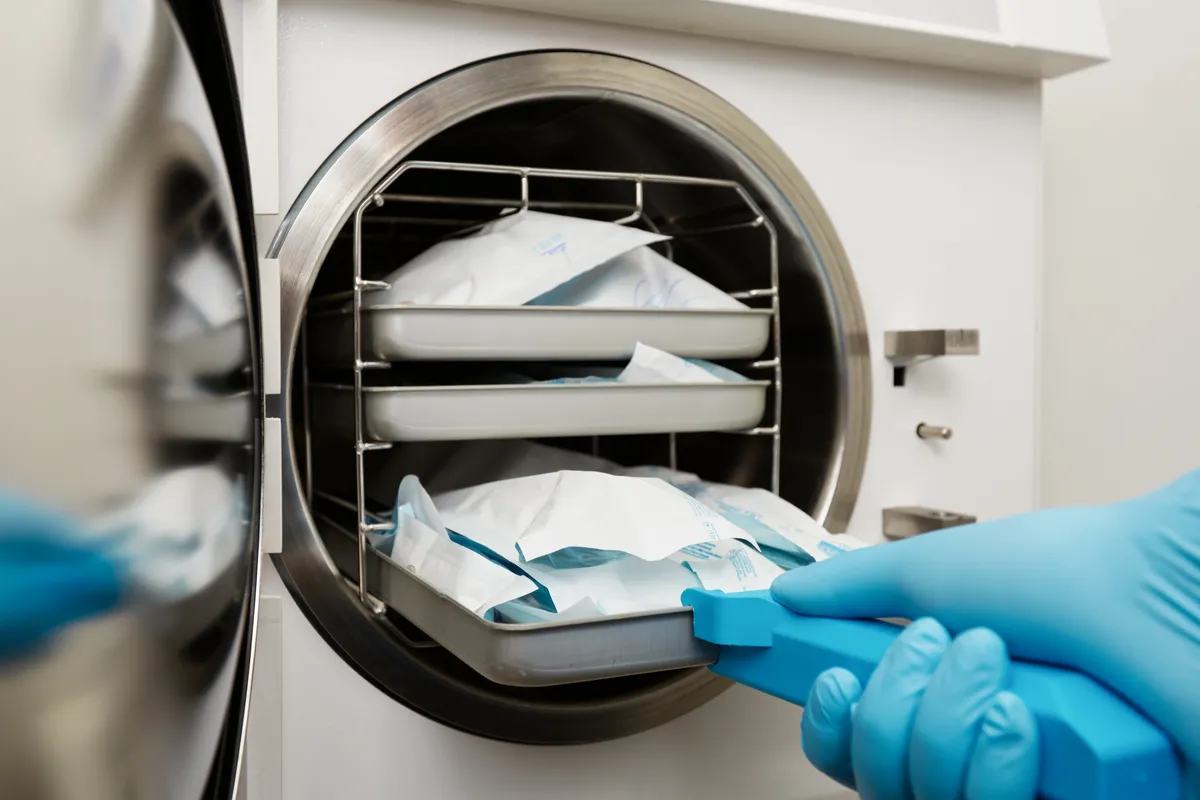
Your sterilisation cycle is validated. But did you validate the right product under the right worst-case conditions?
An approved cycle shows that the equipment delivers the process - not that the most challenging device, in the most demanding load, achieves the required SAL. This confusion is one of the sector's costliest gaps.
 Quality
Four Regulatory Requirements, One Validation System (QMSR, MDR and RDC 751)
ISO 13485, FDA QMSR, MDR 745/2017 and RDC 751/2022: treating each framework as a separate project multiplies costs and weakens your case. The solution is one system interpreted through several regulatory frameworks.
Comments
No comments yet. Be the first to comment.